Why Is My Cat Breathing Fast? A Healthy Pet Parent’s Guide
You’re noticing your cat’s chest rising and falling rapidly, and you may be wondering, “Why is my cat breathing fast?” Their breathing seems shallow, hurried, or even labored. Maybe they’re panting with their mouth open, something that feels distinctly un-catlike. Your heart races as questions flood your mind: Is this normal? Should I be worried? When do I call the vet?
Fast or heavy breathing in cats can be a normal response or a sign of a medical emergency. Understanding the difference is essential. This guide explains normal and abnormal breathing patterns, as well as when to seek veterinary attention.
Table of Contents
Understanding Normal Breathing in Cats
Let’s start by looking at what normal breathing looks like in cats. A healthy cat at rest usually takes 20 to 30 breaths per minute. One breath means the chest rises as the cat inhales and falls as they exhale.
How to Measure Your Cat’s Breathing Rate
Measuring your cat’s respiratory rate and identifying heavy breathing is a straightforward process. Follow these steps:
First, ensure your cat is calm and resting, not purring, as this can interfere with accurate counting. Find a comfortable spot where you can observe their chest movements clearly. Using your phone’s stopwatch or a timer, count the number of breaths for 30 seconds. Multiply this number by two to get their breaths per minute.
The sleeping respiratory rate is typically slightly lower than the resting rate. Record these numbers and note any patterns that emerge. If you start to notice heavy breathing or any abnormal panting, make note of it. This baseline will prove invaluable when determining if your cat’s breathing has changed.
When Fast or Heavy Breathing Might Be Normal
Rapid or heavy breathing doesn’t always mean something is wrong. Cats can breathe faster or more heavily in some normal situations, such as:
After exercise or play: A vigorous chase session or energetic playtime can leave cats panting or displaying brief heavy breathing temporarily. This should resolve within a few minutes of rest.
During stress or anxiety: Vet visits, car rides, or changes in environment can trigger rapid breathing. The key is that it should subside once the stressful situation ends.
In hot weather: Unlike dogs, cats rarely pant to cool down; however, extreme heat can cause temporary increases in breathing rate or brief periods of heavy breathing.
During excitement: Some cats breathe faster or exhibit heavy breathing when anticipating meals or during particularly engaging play sessions.
What Is Fast or Heavy Breathing (Tachypnea) in Cats?
Tachypnea is the medical word for fast breathing and is different from normal panting or heavy breathing. Dogs often pant to cool down, but cats rarely do so when they are healthy. If your cat is breathing heavily, especially while resting, it could be a sign of a problem.
Fast or heavy breathing in cats often appears uneven and shallow, indicating that your cat is working harder to obtain enough oxygen. Instead of the slow, steady breathing of a relaxed cat, fast or heavy breathing may appear rushed or as if your cat is struggling to breathe.
Recognizing the Warning Signs
If your cat is breathing fast or heavily while resting, it’s a warning sign. When this happens without a clear reason, such as due to heat or stress, it often indicates a health problem that requires attention.
Pay attention to accompanying symptoms, as tachypnea rarely occurs alone. Often, it appears
Common Causes of Rapid or Heavy Breathing in Cats
ASTHMA
Cats with asthma often display heavy breathing with their mouths open, accompanied by panting, wheezing, and coughing. The respiratory rate increases significantly during asthma episodes, and heavy breathing is a clear sign your cat may be in distress.
Environmental triggers, such as dust, smoke, pollen, or strong scents, can spark asthma attacks and result in heavy or labored breathing. Many cats with properly managed asthma live completely normal lives, but ongoing pet care tips from your vet are essential.
HEARTWORM DISEASE
Heartworm disease can severely impact cats’ respiratory systems, often leading to breathing difficulties. The parasites settle in the lungs and heart, causing inflammation and shortness of breath.
Treatment may include medication to reduce swelling and aid breathing, as well as supplemental oxygen in severe cases. The best way to protect your cat is to prevent heartworm. Administering monthly heartworm medication keeps your cat safe from this potentially fatal disease.
HYDROTHORAX AND CONGESTIVE HEART FAILURE
Hydrothorax involves the accumulation of fluid around the lungs, resulting in symptoms such as deep, rapid, and heavy breathing, coughing, and panting.
Treatment typically involves removing excess fluid and administering medication to help the heart function more efficiently and reduce further fluid accumulation. Getting help early can make a big difference, especially if you notice unusual panting right away.
RESPIRATORY INFECTIONS
Upper respiratory infections often cause breathing difficulties and excessive breathing in cats. These infections typically start as viral infections but often develop secondary bacterial complications that require antibiotic treatment.
Symptoms extend beyond rapid or heavy breathing to include nasal discharge, sneezing, and congestion. Humidifiers and steam treatments can help loosen mucus and ease breathing during recovery from a respiratory infection, decreasing episodes of heavy breathing.
Other Serious Conditions
Several additional conditions can cause rapid or heavy breathing:
- Trauma or injury to the chest cavity can compromise breathing mechanics and result in heavy breathing or abnormal panting, requiring emergency intervention.
- Tumors in the chest, lungs, or throat can obstruct airways or compress breathing structures, often resulting in labored breathing.
- Anemia requires the respiratory system to work harder to deliver sufficient oxygen to tissues, resulting in heavy breathing.
- Pulmonary edema involves fluid in the lungs themselves, which commonly results in severe breathing difficulties and shortness of breath.
- Pleural effusion refers to the accumulation of fluid in the space surrounding the lungs, which can cause difficulty breathing or shortness of breath.
- Pneumonia causes lung inflammation and infection, significantly impacting breathing efficiency and causing heavy breathing.
- Allergic reactions can trigger heavy breathing or breathing difficulties, especially if they cause airway swelling.
- Airway obstructions from foreign objects or swelling can lead to breathing emergencies, characterized by abnormal panting and heavy breathing.
- Pain, stress, or shock from various causes can manifest as rapid respirations, heavy breathing, or abnormal panting.
When to Seek Veterinary Care for Your Feline
Determining when fast or heavy breathing constitutes an emergency versus a condition that can wait requires careful observation and assessment. Certain red flags demand immediate professional attention.
EMERGENCY SITUATIONS
Contact your veterinarian immediately if you notice:
- Dramatic chest movements: When your cat’s sides move dramatically in and out with each breath, it indicates severe respiratory distress and heavy breathing.
- Breathing with sound effects: Whistling sounds, gasps, wheezes, or groans that accompany breathing may suggest airway problems and indicate heavy breathing that requires urgent care.
- Blue-tinged gums: Bluish discoloration of the gums indicates inadequate oxygen levels, a life-threatening situation often accompanied by heavy breathing.
- Open-mouth breathing combined with other symptoms: While brief open-mouth breathing may occur normally, persistent mouth breathing accompanied by lethargy, loss of appetite, or distress signals an emergency condition and could indicate heavy breathing due to a serious underlying problem.
What to Expect at the Vet
Knowing what to expect at the vet can help you feel less anxious and make it easier to share helpful details about your cat’s breathing.
1. Initial Assessment
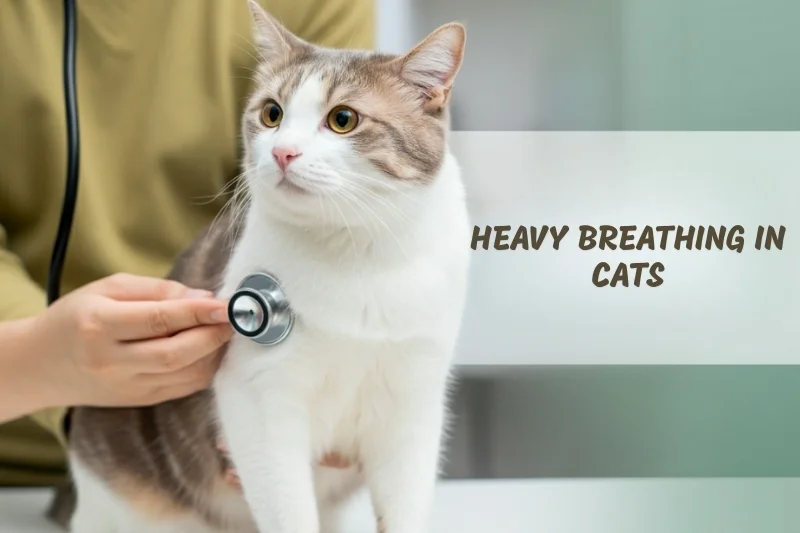
Your veterinarian will thoroughly examine your cat to assess the severity of the breathing problems and determine their duration. They’ll listen carefully to the chest cavity using a stethoscope, checking for heart murmurs, fluid in the lungs, or other abnormal sounds.
Gum color evaluation helps determine whether organs receive adequate oxygen. Pink, healthy gums suggest good oxygenation, while pale or blue-tinged gums indicate problems, especially if accompanied by heavy breathing.
2. Diagnostic Testing
Depending on initial findings, your veterinarian may recommend several diagnostic tests if your cat presents with heavy breathing:
- Blood tests can reveal underlying diseases, infections, or systemic conditions contributing to heavy breathing or breathing problems.
- X-rays provide proper images of the lungs and heart, revealing fluid accumulation, tumors, or structural abnormalities that might explain heavy breathing.
- Ultrasounds offer additional imaging capabilities, particularly useful for evaluating heart function and detecting fluid accumulations that can cause shortness of breath.
- Electrocardiograms (ECGs) may be necessary if heart problems are suspected, especially in the presence of chronic heavy breathing.
- Stabilization
If your cat arrives in respiratory distress or with severe heavy breathing, the veterinary team will prioritize stabilization. Oxygen therapy helps ensure adequate oxygen delivery during diagnostic tests. By inserting an intravenous catheter, emergency medicines or fluids can be given quickly.
Treatment Options for Fast Breathing in Cats
Treatment approaches depend entirely on the underlying cause of rapid and heavy breathing. Your veterinarian will develop a customized plan based on diagnostic findings.
IMMEDIATE INTERVENTIONS
For cats in respiratory distress with heavy breathing, immediate interventions focus on supporting breathing and addressing life-threatening complications:
- Oxygen therapy provides supplemental oxygen to ease the effort of heavy breathing.
- Pleural effusion drainage removes fluid from around the lungs when present, quickly improving heavy breathing.
- Bronchodilators help open airways in cases of asthma or other obstructive conditions that create heavy breathing.
- Anti-inflammatory medications reduce swelling and inflammation in the respiratory tract, offering relief for cats with heavy breathing.
LONG-TERM MANAGEMENT
Chronic conditions affecting breathing require ongoing management strategies:
- Asthma management typically involves the use of long-term anti-inflammatory medications and avoidance of triggers to prevent episodes of severe breathing difficulties.
- Heart disease treatment may include medications to improve heart function and manage fluid accumulation, particularly if symptoms such as shortness of breathing or abnormal breathing patterns are present.
- Infection treatment involves the use of appropriate antibiotics and supportive care, addressing any shortness of breath associated with a respiratory infection.
- Environmental modifications help reduce triggers for respiratory sensitivities and heavy breathing.
SURGICAL OPTIONS
Some conditions that cause heavy breathing may require surgical intervention:
- Tumor removal is necessary when tumors obstruct airways or compromise lung function, manifesting as heavy breathing.
- Foreign body removal is necessary if objects block breathing passages and cause persistent heavy breathing.
- Correction of structural abnormalities that interfere with normal breathing, contributing to ongoing heavy breathing.
Creating a Safe Environment for Your Cat
Preventing problems is one of the best ways to keep your cat’s respiratory health and reduce episodes of heavy breathing. Simple changes to a cat’s environment can lower the chance of breathing problems and help cats with existing conditions.
- Minimizing Stress and Anxiety
Stress can significantly impact a cat’s respiratory health and lead to heavy breathing. Create calm, quiet spaces where your cat can retreat when feeling overwhelmed. Maintain consistent routines and introduce changes gradually to reduce anxiety and minimize potential causes of heavy breathing.
Regular play sessions and mental stimulation help maintain emotional well-being and respiratory health.
- Temperature and Air Quality Control
Maintain comfortable indoor temperatures, especially important for cats with heavy breathing or respiratory sensitivities. Ensure adequate ventilation without creating drafts that may irritate sensitive airways and cause heavy breathing.
- Air purification
High-quality air filters can remove potential respiratory irritants from your home’s air supply, helping to prevent episodes of heavy breathing or abnormal panting.
- Humidity control
Proper humidity levels support healthy respiratory function; too dry can irritate airways, while excessive humidity promotes mold growth, both of which can contribute to heavy breathing.
- Eliminating Respiratory Irritants
Maintaining a smoke-free environment is vital for maintaining your pet’s respiratory health. Cigarette smoke, incense, strong perfumes, and chemical cleaners can all trigger breathing problems and heavy breathing in sensitive cats.
Choose fragrance-free or pet-safe cleaning products. Be cautious with air fresheners, candles, and other fragrant products that may irritate your cat’s respiratory system, potentially leading to an increased respiratory rate.
- Regular Preventive Care
Maintain up-to-date vaccinations to prevent respiratory infections, which can lead directly to heavy breathing. Monthly heartworm preventatives protect against this serious condition, which can cause deep, rapid breathing and breathing difficulties.
Schedule regular veterinary check-ups to catch developing problems early, especially if your cat is older or has a history of respiratory issues. Senior and overweight cats may benefit from more frequent examinations, as age- and weight-related conditions become more common, both of which can contribute to respiratory issues, such as heavy breathing.
Taking Action for Your Cat's Health
Don’t ignore rapid or heavy breathing in your cat. Whether it’s due to stress, environmental factors, or a health issue, any change in breathing should be evaluated.
The key to protecting your cat is recognizing emergency warning signs. Early intervention often makes the difference between minor treatment and serious medical complications.
Regular check-ups, a healthy home environment, and monitoring for changes in your cat’s breathing can help them live a long, comfortable life.
Remember that you know your cat better than anyone else. Changes in breathing patterns or persistent heavy breathing, especially when combined with other behavioral shifts, warrant professional evaluation. Your attentiveness and quick action could save your feline friend’s life.
Frequently Asked Questions (FAQ)
Why is my cat breathing rapidly but acting normally?
Cats can exhibit mild respiratory changes or experience heavy breathing due to stress, excitement, or minor environmental factors, while maintaining normal behavior. However, consistently elevated breathing rates or repeated episodes of heavy breathing warrant veterinary evaluation, as cats often hide signs of illness.
How do I know if my cat's breathing is an emergency?
Emergency signs include dramatic chest movements, heavy breathing accompanied by whistling or gasping sounds, blue-tinged gums, or open-mouth breathing with distress.
What's the difference between panting and heavy breathing?
Panting involves open-mouth breathing, typically in response to heat, stress, or exertion. Heavy breathing (which may also include abnormal panting) refers to a deeper, more laborious breathing pattern that can signal underlying health issues.
Should I try home remedies for my cat's heavy breathing?
Never attempt to treat heavy breathing with home remedies. Respiratory problems can be life-threatening and require professional veterinary evaluation and treatment.