Do Cats Need Dental Cleaning? Guide to Feline Oral Health Care
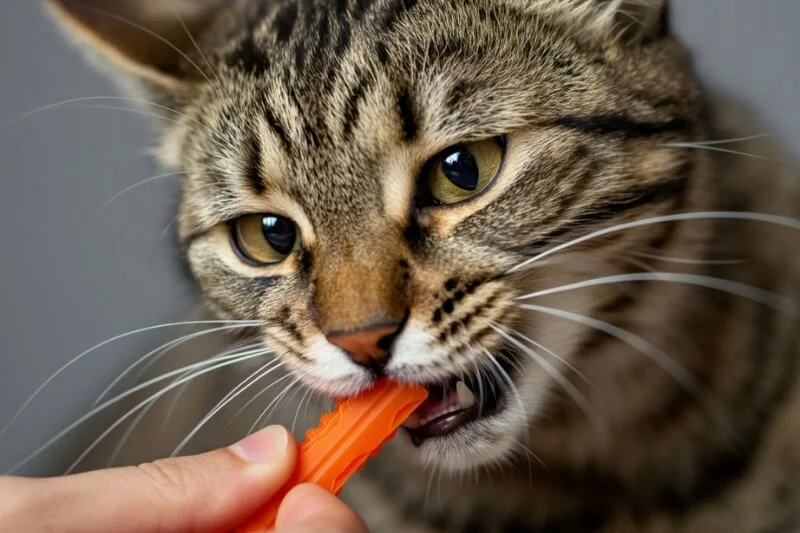
Do cats need dental cleaning? This question crosses every responsible cat owner’s mind, especially when you notice your feline friend’s breath isn’t exactly pleasant. Cats require dental care just as people do, to maintain their overall health and prevent major issues that could compromise their quality of life.
Poor cats’ dental health can lead to discomfort, infection, and organ damage if bacteria from dental disease enter the bloodstream. This comprehensive guide will explore everything you need to know about cat dental care, from recognizing early warning signs to understanding professional treatment options and costs.
Table of Contents
Why Does a Cat Need Dental Cleaning
Pet owners often overlook the importance of ensuring their pets’ health. By the age of three, approximately 80% of cats exhibit signs of dental disease, making it one of the most common health issues veterinarians encounter. Unlike wild cats, which naturally clean their teeth through hunting and chewing prey, domestic cats often lack this natural mechanism for cleaning their teeth.
Neglecting a cat’s oral health can result in:
- Painful gum inflammation and infection
- Tooth loss requiring tooth extraction
- Bacterial infections spreading to vital organs
- Difficulty eating, leading to malnutrition
- Behavioral changes due to chronic pain
The bacteria from untreated dental problems don’t stay confined to the mouth. They can travel through the bloodstream, potentially affecting the heart, liver, and kidneys, turning a simple dental issue into a life-threatening condition.
A major aspect that is often overlooked is the genetic component of dental problems in cats. Just as in people, some cats are more prone to developing plaque and tartar, no matter what type of food they eat. By the time your cat is old enough to start experiencing problems with their teeth, your veterinarian may recommend more frequent check-ups and earlier intervention to prevent painful complications, especially if there is a family history of dental issues. Additionally, certain cat breeds, such as the Siamese and Maine Coon, are more prone to dental problems, making it crucial to raise awareness and promote preventive treatments.
Recognizing Signs Your Cat Needs Professional Attention
Understanding when your cat requires professional dental care can help prevent small problems from developing into serious health issues. Watch for these warning signs:
EARLY WARNING SIGNALS
- Bad breath that worsens over time – Although cats are known to have a unique odor in their breath, continuously smelly breaths tend to represent bacterial overgrowth.
- Yellow or brown tartar buildup – Visible plaque accumulation along the gum line
- Red, swollen, or bleeding gums – Signs of gingivitis or more advanced periodontal disease
- Difficulty chewing or eating – Your cat may favor soft foods or eat more slowly than usual
ADVANCED SYMPTOMS REQUIRING IMMEDIATE CARE
- Loose or missing teeth – Advanced periodontal disease can cause tooth loss
- Facial swelling – May indicate abscessed teeth requiring immediate tooth extraction
- Excessive drooling – Often accompanied by pawing at the mouth
- Changes in behavior – Hiding, aggression, or reluctance to be touched around the head area
If you notice multiple symptoms, consult a veterinary dentist promptly. Early treatment can save teeth from extraction.
Furthermore, it’s important to observe your cat’s eating habits and daily routines. A decrease in grooming or a shabby coat can sometimes point to oral discomfort. Cats may avoid playing with toys that require them to bite down, or they may chew in an unusual manner. Even subtle behavioral changes should prompt a closer look at your cat’s mouth.
Professional Cat Teeth Cleaning: What to Expect
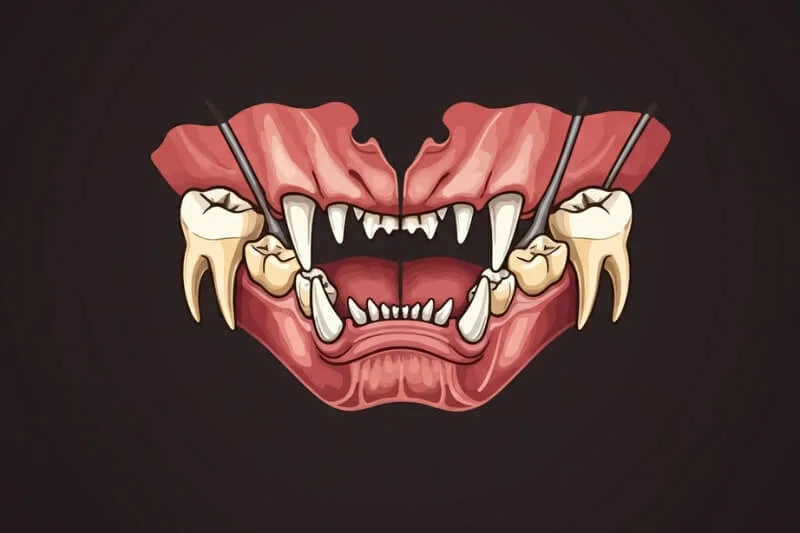
Professional tooth cleaning entails an elaborate dental treatment method that is conducted under general anesthesia. This enables a veterinary dentist to closely inspect the teeth of every cat and carry out the required treatment safely and efficiently.
The Complete Process of a Cat’s Dental Cleaning
1. PRE-ANESTHETIC EVALUATION
Before any dental procedure, your veterinarian will conduct a thorough health assessment to ensure your pet’s overall well-being. This often involves blood tests to ensure that your cat can safely undergo anesthesia, just as the cat vaccination process is screened. Cats may require further tests, especially those who are elderly or those with other underlying health issues.
2. ANESTHESIA AND MONITORING
General anesthesia keeps your cat calm and still during the process. Anesthetic procedures are significantly safer now than they were several decades ago, and vital signs are continuously monitored using specialized equipment.
3. COMPREHENSIVE CLEANING AND ASSESSMENT
The veterinary dentist will:
- Remove plaque and tartar from both sides of the gum line.
- Perform detailed dental X-rays to assess tooth roots and jawbone
- Evaluate each tooth for damage, decay, or mobility
- Polish teeth to smooth surfaces and reduce future plaque accumulation
- Apply fluoride treatment to strengthen enamel
4. TREATMENT PLANNING
If the examination reveals damaged or infected teeth, your veterinarian will discuss treatment options, which may include tooth extraction for severely compromised teeth.
5. RECOVERY AND AFTERCARE
Most cats recover quickly from professional teeth cleaning. Expect:
- Temporary grogginess from anesthesia (4-6 hours)
- Possible mild mouth sensitivity for 24-48 hours
- Soft food recommendations for the first few days
- Follow-up instructions for home dental care
To help your cat recover, prepare a quiet, comfortable spot for them to rest away from household noise or other pets. Keep them at least 24 hours attached to anesthesia to check their energy and appetite. One should be given water in abundance and checked for possible bleeding in the mouth and any persistent pain.
Understanding Cat Teeth Cleaning Cost and Value
Multiple factors affect how much it costs to clean your cat’s teeth, but knowing these costs can help you plan your budget for your pet’s medical needs.
COST FACTORS
- Geographic location – Veterinary costs are generally greater in urban regions.
- Clinic type – General clinics may be cheaper than specialty veterinary practices.
- Complexity of treatment – Simple cleanings cost less than procedures requiring tooth extraction
- Additional treatments – X-rays, medications, and specialized procedures increase total costs
- Cat’s age and health status – Older cats may require more extensive pre-anesthetic testing
AVERAGE COST BREAKDOWN
Basic professional teeth cleaning typically ranges from $300 to $800, while more complex procedures involving multiple tooth extractions can cost $1,000 to $2,500 or more. While this investment may seem substantial, consider the long-term benefits of preventing serious health complications.
Most pet insurance policies include dental cleanings, making frequent dental cleanings more affordable for pet owners.
Preventive savings have also been discussed, and some options to consider include wellness plans, which also cover dental check-ups. Other clinics offer annual packages or discounts when you book professional care for multiple pets simultaneously, ensuring control over costs and the health of cats.
Home Care Strategies for Optimal Cats' Oral Health
While professional cleanings remain essential, daily home care significantly extends the time between needed treatments and maintains the cat’s dental health.
Tooth Brushing Techniques
Tooth brushing represents the gold standard for home dental care. Start slowly:
- Gradual Introduction – Let your cat sniff and taste pet-safe toothpaste
- Finger Training – Gently rub your finger along their gums
- Brush Introduction – Use a soft-bristled pet toothbrush or finger brush
- Daily Routine – Aim for daily brushing, focusing on the outer tooth surfaces
Never use human toothpaste, which contains fluoride that can be toxic to cats.
Alternative Home Care Options
- DENTAL CHEWS AND TREATS
Specially formulated dental chews help reduce plaque buildup through mechanical action. Pick out products that have been authorized by the Veterinary Oral Health Council. These treats work best as supplements to, not replacements for, regular cleaning routines.
- WATER ADDITIVES
Additives for dental water have enzymes that help kill germs in your cat’s mouth. These items work especially well for cats that dislike being brushed.
- PRESCRIPTION DENTAL DIETS
Some veterinarians recommend prescription diets designed to reduce tartar formation. These foods have a specific texture that helps clean a cat’s teeth during chewing.
- INTERACTIVE TOYS
Certain dental toys encourage chewing and can help scrape away minor plaque. While these are not a substitute for dental chews or brushing, they make a valuable addition to your cat’s oral hygiene routine, especially for playful felines.
Creating a Preventive Dental Care Schedule
Establishing a routine prevents dental problems before they become serious health issues.
Frequency Recommendations
Professional Cleanings: Most cats benefit from annual dental cleanings, though some may need more frequent cleanings based on individual risk factors:
- Low-risk cats (young, healthy, good home care) – Every 1-2 years
- Moderate-risk cats (middle-aged, some tartar buildup) – Annually
- High-risk cats (seniors, previous dental disease, poor home care tolerance) – Every 6-12 months
Daily Home Care
Consistent daily care makes the biggest difference in maintaining dental health between professional treatments.
Working with Your Veterinary Team
With regular check-ups, your veterinarian can monitor your cat’s dental health and recommend the most suitable treatment at the right time. During routine visits, ask about:
- Current dental health status
- Recommended cleaning frequency
- Home care techniques specific to your cat
- Warning signs to monitor
Taking notes during veterinary visits can help you improve the way you care for your pet at home and track their progress. A collaborative approach is frequently the most effective.
Special Considerations for Senior Cats
Older cats face unique dental challenges that require modified approaches to care.
Age-Related Changes
- Increased tartar accumulation – Saliva production may decrease with age
- Gum recession – Exposes tooth roots to decay
- Tooth wear – Years of use can thin enamel
- Underlying health conditions – May complicate anesthesia decisions
Balancing Risks and Benefits
While anesthesia carries slightly higher risks for senior cats, untreated dental disease poses even greater health threats. Your veterinarian will help weigh these factors and may recommend:
- More frequent monitoring
- Modified anesthetic protocols
- Alternative treatment approaches for high-risk patients
Little habits of your elderly cat, such as changes in its behavior and movement, as well as grooming, should be noticed. Cats of an older age usually appreciate soft foods after cleaning and mild treatment. Active dental hygiene can enhance not only their health and comfort but also their overall well-being and happiness.
Conclusion
Do cats need dental cleaning? Absolutely. Dental care, including professional and regular, as well as home-based dental care, safeguards your cat’s overall health and quality of life. Although the initial cost of professional teeth cleaning might be high, it avoids much more costly and painful issues in the future.
Start by scheduling a dental evaluation with your veterinarian to assess your cat’s current oral health status. Together, you can develop a comprehensive dental care plan that keeps your feline friend healthy, comfortable, and ready to purr for years to come.
Remember, every cat’s needs are different. Work with your veterinary team to develop a personalized approach tailored to your cat’s health status, age, and tolerance for at-home care. Your proactive attention to your cat’s dental health today will pay dividends in their long-term well-being.